The Fundamentals of Sports Broadcasting
Definition and Purpose of Sports Broadcasting
Sports broadcasting refers to the live transmission of sporting events through various media platforms, including television, radio, and online streaming. The primary purpose of sports broadcasting is to deliver real-time coverage of games and events to a wide audience, helping fans stay connected to their favorite teams and athletes. This field not only serves entertainment purposes but also fosters community engagement, supports the sports industry financially through advertising, and increases the visibility of emerging talent. The role of a sports broadcaster is pivotal in framing narratives, extracting insights, and providing analyses that enhance the viewer’s experience. For further in-depth analysis of the topic, you can explore Sports Broadcasting insights.
The Evolution of Sports Broadcasting
Sports broadcasting has transformed dramatically since its inception. It began with simple radio broadcasts in the early 20th century, where live commentary brought the excitement of games into people’s homes. The introduction of television brought a revolution in the 1950s, allowing viewers to see the action unfold visually. The advent of cable networks in the 1980s diversified the sports landscape, enabling 24-hour sports coverage and dedicated channels. Today, the rise of digital streaming platforms has further democratized access, allowing viewers to watch games on-demand across various devices. Each technological leap not only improved the quality of broadcasts but also expanded the reach, connecting global audiences like never before.
Key Technologies in Sports Broadcasting
Several technologies play a crucial role in sports broadcasting, enhancing the viewer experience. High-definition (HD) and ultra-high-definition (UHD) cameras provide stunning visuals of games, while advancements in audio technology offer immersive sound experiences. Additionally, instant replay systems have elevated the viewer’s engagement by allowing them to re-watch critical moments from multiple angles. Drones and high-tech graphics enable broadcasters to present on-field insights and statistics in real time, making the experience more interactive. As technology continues to advance, sports broadcasting will likely become even more dynamic, with a focus on delivering unparalleled content to fans.
Understanding the Sports Broadcasting Audience
Demographics and Viewer Preferences
Understanding the demographics of the sports broadcasting audience is vital for broadcasters and advertisers. Sports fans come from diverse backgrounds, encompassing various age groups, genders, and cultural contexts. Traditionally, sports viewership has skewed towards younger male audiences; however, there has been a significant increase in female viewership and interest in various sports. Data indicates that preferences also vary significantly by sport. For instance, major leagues tend to attract larger audiences during playoffs and finals, while niche sports may cater to loyal, engaged fan bases throughout the year. Recognizing these trends helps broadcasters tailor their content to different audience segments.
Engagement Techniques in Sports Broadcasting
Engagement techniques in sports broadcasting are essential for retaining viewer interest and enhancing their experience. Broadcasters employ various methods, including interactive social media initiatives, viewer polls, and live chats, allowing fans to express their opinions and participation. Utilizing fan-generated content and showcasing it during broadcasts can foster a sense of community. Additionally, incorporating elements like behind-the-scenes footage, player interviews, and expert analysis adds depth and enriches storytelling. By prioritizing audience interaction, broadcasters create a more loyal fan base and drive higher engagement rates.
Impact of Social Media on Sports Broadcasting
Social media has dramatically transformed sports broadcasting, enabling direct interaction between fans, athletes, and networks. Platforms like Twitter, Facebook, and Instagram provide instant updates and allow for real-time discussions during games. This interactivity enhances viewer engagement and establishes a community around teams and events. Broadcasters and networks leverage social media to promote pre-game shows, highlight packages, and special events, drawing audiences back to traditional broadcasts. Moreover, influencers and athletes sharing insights on these platforms shape narratives and impact public perception, making social engagement a key component of modern sports broadcasting strategies.
Types of Sports Broadcasting Formats
Live vs. Recorded Sports Broadcasting
Live sports broadcasting offers immediate access to events as they happen, creating a sense of excitement and urgency for viewers. It captures the adrenaline of moments that can’t be replicated, drawing audiences for peak viewing times during critical plays or events. Conversely, recorded broadcasts allow for editing, enhancing the viewing experience by presenting highlights, expert commentary, and analytical graphics which may not be possible in a live format. Each method has its advantages and can serve different audience needs; thus, broadcasters often provide both formats to cater to varied viewer preferences.
Studio Shows and Game Coverage
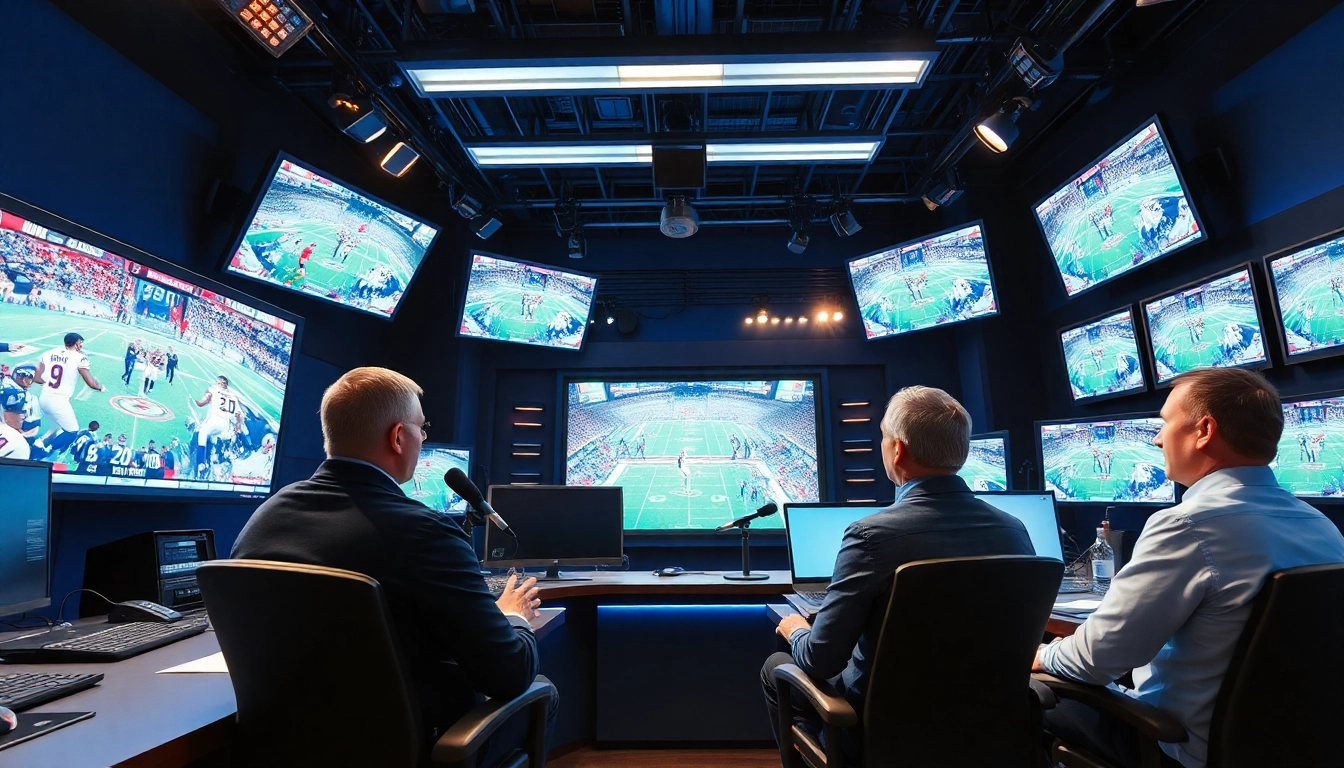
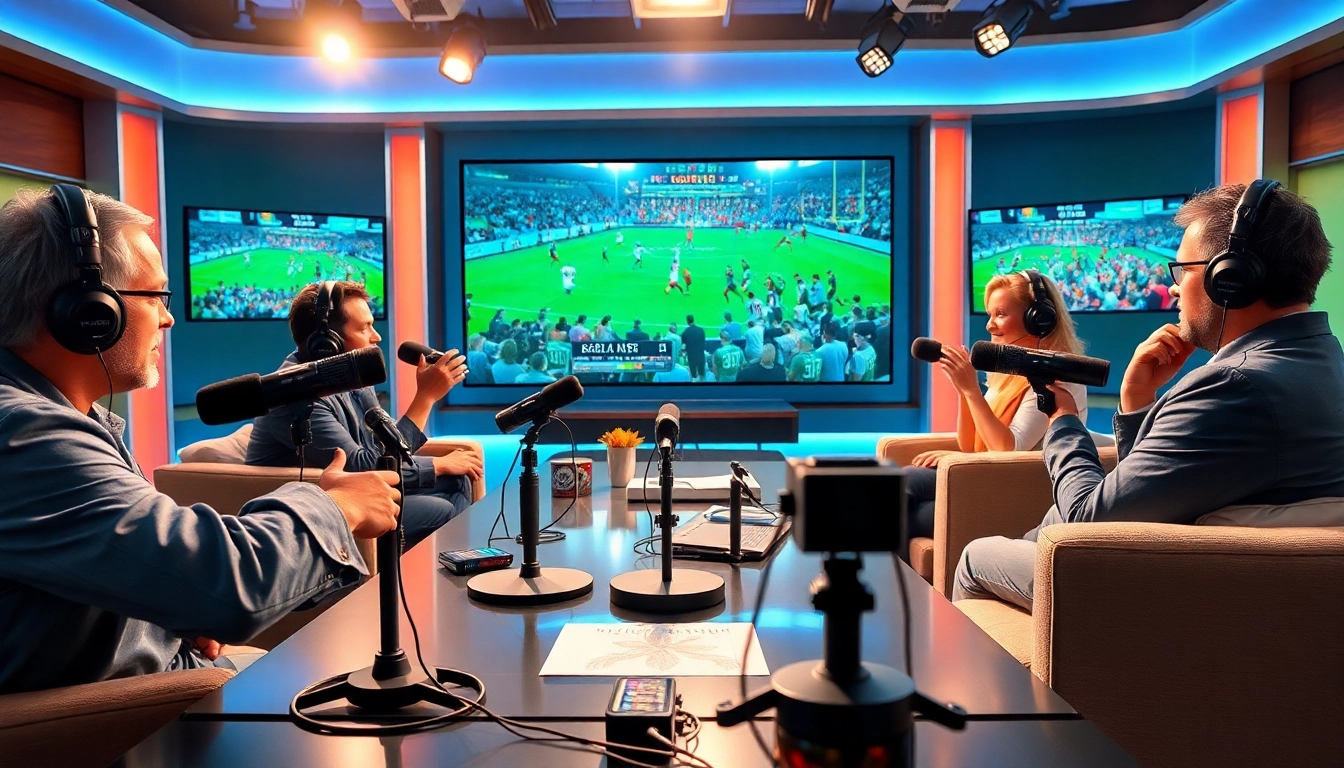
Studio shows serve as a critical element in sports broadcasting, providing a platform for analysis, commentary, and discussion before and after games. These shows often feature expert panels discussing strategies, player performances, and game outcomes, delivering context that enriches viewers’ understanding of the events. Game coverage, on the other hand, focuses on the live transmission of the sporting event itself. It encompasses play-by-play commentary, expert analysis during breaks, and expansive coverage of game stats, making it engaging and informative. Together, studio shows and game coverage complement one another, ensuring comprehensive coverage of sporting events.
Highlight Reels and Recap Specials
Highlight reels and recap specials are essential broadcasting formats that cater to fans who may not have the time to watch full games. These formats curate the most significant moments into a concise package, allowing viewers to catch up on key plays and storylines quickly. Recap specials often include expert analysis and contextual information that enhances understanding of the events, making them an effective tool for maintaining engagement throughout the season. Timely publication of highlights on social media platforms can also drive traffic back to the main broadcasts, keeping fan interest alive.
Challenges in Sports Broadcasting
Do’s and Don’ts of Sports Broadcasting
Successful sports broadcasting hinges on understanding key do’s and don’ts. Do prioritize accuracy; errors in reporting can erode trust with viewers and athletes. Use engaging storytelling techniques to captivate the audience, and ensure clarity in communications. Don’t ignore viewer feedback; it offers invaluable insights. Avoid excessive jargon that may alienate casual viewers, and steer clear of biased commentary that could damage credibility. Transparency and professionalism must remain at the forefront of all broadcasting efforts to maintain audience trust and loyalty.
Legal Considerations in Sports Broadcasting
Legal considerations in sports broadcasting are paramount, as they regulate content dissemination and protect intellectual property rights. Broadcasters must secure rights for live coverage, ensure compliance with licensing agreements, and understand the legal framework around advertising and sponsorships. Copyright issues also play a significant role in determining what can be included in highlights or recap shows. Broadcasters should maintain clear communication with legal teams to navigate these complexities and mitigate potential risks associated with content distribution.
Maintaining Standards in Reporting
Maintaining high standards in reporting is essential for the credibility of sports broadcasting. It includes ethical reporting, accuracy in statistics, and impartiality in commentary. Broadcasters must train their teams on industry standards and legal requirements, ensuring that they are equipped to deliver comprehensive, fact-checked content. Emphasizing the importance of responsible journalism fosters integrity within the industry. Additionally, regular reviews and feedback loops can elevate the quality of reporting and enhance overall viewer satisfaction.
The Future of Sports Broadcasting
Emerging Trends and Innovations
The landscape of sports broadcasting is continually changing, with emerging trends and innovations shaping its future. Enhanced accessibility through mobile and streaming platforms is democratizing viewership, allowing fans from all corners of the globe to engage with content. As the market for sports betting expands, integration with real-time data and analytics becomes crucial, offering viewers deeper insights. Furthermore, increased collaboration with technology companies facilitates the development of apps and services tailored to enhance the viewer experience, ultimately transforming how sports content is consumed.
Virtual Reality and Augmented Reality in Sports
Virtual and augmented reality technologies are set to revolutionize the viewing experience in sports broadcasting. These immersive tools enable viewers to experience games from any angle or even enter virtual arenas. VR broadcasts allow fans to feel present during the game, while AR can overlay rich statistics and graphical enhancements during live broadcasts, elevating engagement. As technology advances and becomes more accessible, we can expect these innovations to become mainstream, reshaping how audiences interact with live sporting events.
Predictions for the Next Decade of Sports Broadcasting
Looking ahead, the next decade of sports broadcasting promises increased personalization for viewers. With advances in artificial intelligence and machine learning, broadcasters will be able to tailor content, highlights, and viewing experiences based on individual preferences, creating unique customer journeys for fans. Simultaneously, 5G technology will enhance streaming quality and reduce latency, making live broadcasts smoother and more enjoyable. The fusion of interactive elements and gamification in broadcasts will create a richer, more engaging environment for fans, ultimately driving viewer loyalty and retention.
Frequently Asked Questions
What is sports broadcasting?
Sports broadcasting is the live transmission of sports events through media such as television, radio, and online platforms, aimed at delivering real-time coverage to fans.
How has technology changed sports broadcasting?
Technology has enhanced video and audio quality, introduced instant replays, and enabled interactive elements in broadcasts, enriching the viewer experience significantly.
What demographic trends are seen in sports broadcasting?
Sports broadcasting audiences are becoming increasingly diverse, with significant growth in female viewers and varying interests across different age groups and cultures.
What role does social media play in sports broadcasting?
Social media facilitates direct interaction between fans, athletes, and broadcasters, enhances audience engagement, and serves as a promotional tool for broadcasts.
What are the future trends in sports broadcasting?
Future trends may include personalized viewing experiences, higher engagement through AR and VR technologies, and enhanced data integration for real-time insights.