Introduction to Sports Broadcasting
Sports broadcasting is an integral part of the sports industry, shaping how fans engage with their favorite teams and athletes. It encompasses various formats, technologies, and platforms aimed at delivering live events, analysis, and commentary to a global audience. The landscape of Sports Broadcasting has evolved significantly over the years, adapting to changes in technology, viewing habits, and regulatory standards. In this article, we will explore the multifaceted world of sports broadcasting, examining its definition, evolution, various formats, and the technological advancements that drive it forward.
Definition and Importance of Sports Broadcasting
At its core, sports broadcasting refers to the dissemination of live or recorded sporting events via television, radio, or digital platforms. Its importance lies not only in delivering entertainment but also in fostering a sense of community among fans. Broadcasting helps to monetize sports through advertising and sponsorship deals, making it a critical revenue stream for teams and leagues.
The Evolution of Sports Broadcasting
The history of sports broadcasting is a fascinating journey that began with radio broadcasts in the early 20th century and progressed to the sophisticated digital platforms we see today. Initially dominated by radio, the industry saw television emerge as a powerful medium in the 1950s, bringing football, basketball, and other sports into the living rooms of millions. Today, live streaming services and social media are reshaping how fans interact with content, allowing for real-time engagement and feedback.
Types of Sports Broadcasting Formats
Sports broadcasting comes in multiple formats, including:
- Live Telecasts: Real-time coverage of events across various platforms.
- Highlights Shows: Recaps of the most exciting moments of games or matches.
- Documentaries: In-depth analysis and storytelling around sports figures and events.
- Online Streaming: Live and on-demand coverage via digital platforms.
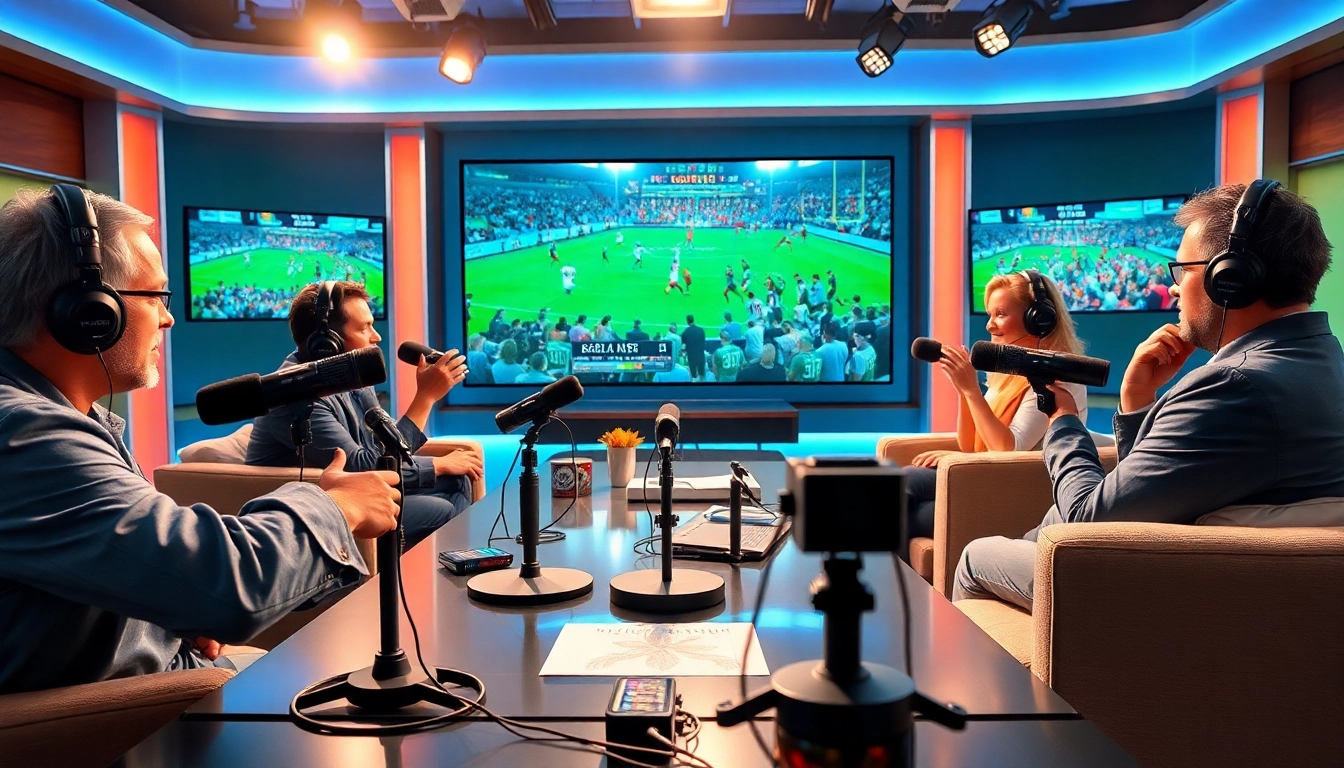
- Podcasts: Audio discussions focusing on sports news and insights.
Key Components of Sports Broadcasting
Camera Techniques and Angles in Sports Broadcasting
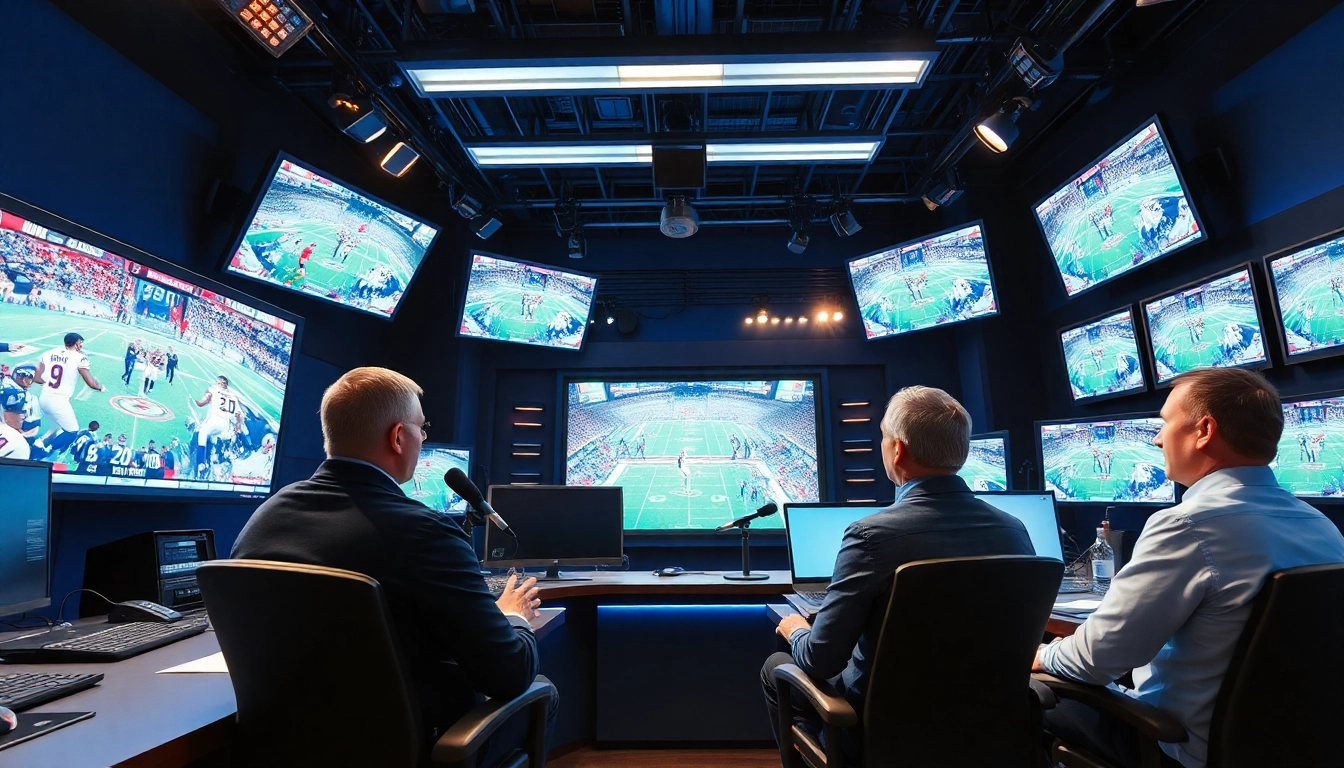
Camera work is one of the most critical aspects of sports broadcasting. The choice of camera angles can significantly elevate the viewer’s experience. For example, close-up shots capture the intensity of player emotions, while aerial views provide an understanding of team formations. Technologies like slow-motion and multi-angle replays have transformed how fans experience live-action, making it essential for broadcasters to invest in high-quality camera equipment and trained camera operators.
Audio Quality: Ensuring Clear Commentary
High-quality audio is crucial in sports broadcasting. Clear commentary can enhance the drama of a live event, providing context and excitement. Broadcasters utilize multiple microphones and advanced audio mixing techniques to ensure that every important moment, from crowd reactions to the announcier’s insights, is captured appropriately. Minimal audio delays and background noise reduction are key objectives for achieving an immersive listening experience.
Editing Essentials for Engaging Sports Broadcasting
Editing plays a pivotal role in shaping the final product that reaches audiences. Efficient editing allows for smooth transitions between footage, highlighting key plays and critical moments. Graphics and overlays, such as score updates and player statistics, are essential elements that keep viewers informed and engaged. Editors must work closely with producers and directors to ensure that the final broadcast is tailored to capture the essence of the event.
Technology in Sports Broadcasting
Role of Live Streaming in Modern Sports Broadcasting
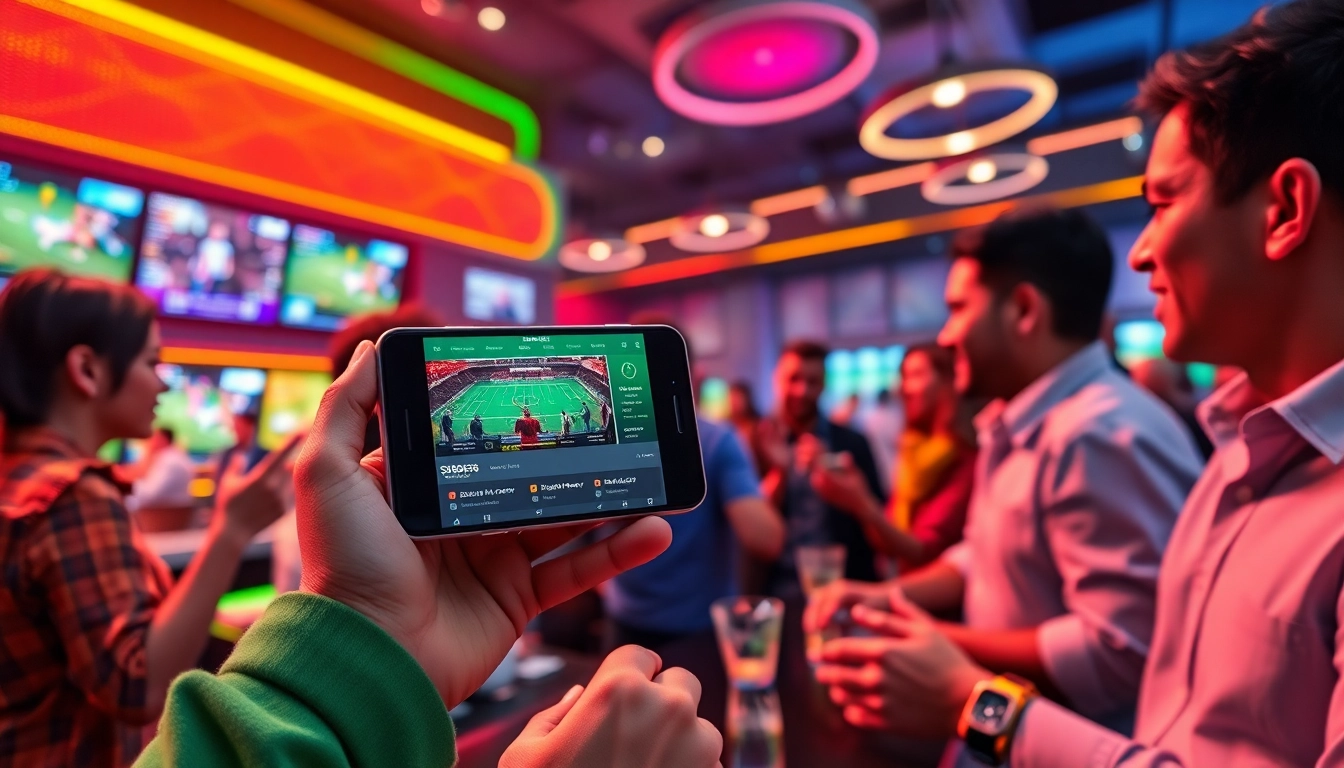
Live streaming has revolutionized how sports content is consumed. It enables viewers to watch events in real-time from anywhere in the world, creating a more personalized viewing experience. Platforms like social media and dedicated streaming services allow broadcasters to reach younger audiences with on-demand content and interactive features, such as live chats and polls, enhancing viewer engagement.
Innovative Tools and Software for Sports Broadcasting
The adoption of advanced tools and software in sports broadcasting has streamlined operations and enhanced production quality. Autodesk Flame, Avid Media Composer, and advanced graphics software are widely used for editing and post-production. Furthermore, Cloud-based platforms enable teams to collaborate in real-time, regardless of their locations, facilitating efficient workflow management.
The Impact of Social Media on Sports Broadcasting
Social media is a game-changer for sports broadcasting, allowing fans to engage during live events, share opinions, and create shareable content. Broadcasters increasingly leverage platforms like Twitter, Instagram, and Facebook to promote events, share highlights, and interact with the audience. This has led to a more collaborative environment where fans feel part of the game day experience, driving higher engagement and loyalty.
Challenges in Sports Broadcasting
Handling Live Events and Unforeseen Issues
Live broadcasting presents unique challenges, including technical faults, weather-related interruptions, or unexpected incidents. Broadcasters must have contingency plans in place for quick resolution. This includes training staff for crisis management and investing in reliable equipment to minimize technical glitches that could disrupt the viewing experience.
Regulatory Considerations in Sports Broadcasting
Sports broadcasting is subject to various regulations concerning copyright, licensing, and content restrictions. Compliance with these regulations is essential to avoid legal issues. Broadcasters need to stay informed about changing regulations to ensure that they can deliver content legally and ethically, enhancing their reputation and audience trust.
Maintaining Viewership in a Competitive Landscape
The competition in sports broadcasting has intensified in recent years, with numerous networks and streaming services vying for audience attention. Maintaining viewership requires broadcasters to innovate continuously, offering unique and engaging content. Understanding audience preferences and utilizing analytics to track performance can guide broadcasters in making strategic decisions that enhance viewer retention.
Future Trends in Sports Broadcasting
The Rise of Augmented Reality and VR in Sports Broadcasting
Augmented Reality (AR) and Virtual Reality (VR) technologies are set to transform the sports viewing experience. AR can provide stats overlay during live events, helping fans understand play dynamics better. VR offers an immersive experience, allowing fans to “be in the stadium” from the comfort of their homes. These technologies can redefine how consumers interact with broadcasts, providing deeper levels of engagement.
Potential Changes in Audience Engagement Strategies
Future audience engagement strategies will likely prioritize personalized content, utilizing machine learning and AI to analyze viewer habits. This data can inform tailored broadcasts, targeted marketing, and interactive experiences, ensuring that fans receive content that resonates with their specific interests. As viewer expectations evolve, adaptability will become a crucial asset for broadcasters.
Forecasting the Future of Sports Broadcasting Technologies
The future of sports broadcasting technologies will likely focus on improved user experience through advancements in data analytics, AI-driven content generation, and continued growth of mobile streaming. As newer technologies emerge, they will provide broadcasters with more tools to enhance storytelling, create compelling narratives, and drive audience interaction, solidifying the relationship between fans and the sports they love.
Frequently Asked Questions
What is Sports Broadcasting?
Sports broadcasting refers to the transmission of live or recorded sporting events via TV, radio, or online platforms, providing fans with entertainment and information.
How has technology impacted Sports Broadcasting?
Technology has enhanced production quality and viewer engagement through live streaming, improved camera techniques, and interactive social media platforms.
What types of formats are used in Sports Broadcasting?
Formats include live telecasts, highlights shows, documentaries, online streaming, and podcasts, each catering to different audience preferences.
What are the main challenges in Sports Broadcasting?
Challenges include managing live events, understanding regulatory requirements, and competing for audience attention in an evolving landscape.
What future trends are expected in Sports Broadcasting?
Future trends may include the integration of AR and VR, personalized audience engagement strategies, and advanced analytics for improved viewer insights.